Texas Debt Limitations

Statute of Limitations on Debt in Texas

In Texas you generally cannot be sued on most consumer debt after 4 years. That is a different clock from the 7-year credit reporting clock, and confusing them is the classic error.

The statute of limitations is a deadline for lawsuits, not for credit reports. In Texas, a creditor or debt buyer generally has four years to sue you on most consumer debt, under Texas Civil Practice and Remedies Code Section 16.004. After four years from the date the debt became due, the debt is time-barred, which means a lawsuit filed after that point can be dismissed.

What You Need to Know

This is legal information, not legal advice. The rules have exceptions, and the exact date a debt became due can be disputed. If you are being sued, or if a collector is threatening to sue, talk to a consumer attorney. This page explains the clocks, not your case.

Why It Matters

The mistake people make is mixing up the two clocks. The four-year clock decides whether you can be sued. The seven-year clock decides how long the item can stay on your credit reports. A debt can be too old to sue over and still on your reports. A debt can also fall off your reports while a lawsuit is still possible, though that is less common.

Another thing to know is that the four-year clock is a defense, not a shield that works on its own. If a collector sues you on a time-barred debt and you do not show up or do not raise the defense, the court can still enter a judgment. A time-barred debt is only protected if you assert the defense.

Related Guides and Services

If this guide helped, these pages go deeper on the topics that usually come up next.

A First Look at Real Results

These are actual results from past clients, previously shared on Instagram. Every credit file is different, so treat these as examples of what the process can look like, not as a promise of what yours will do.
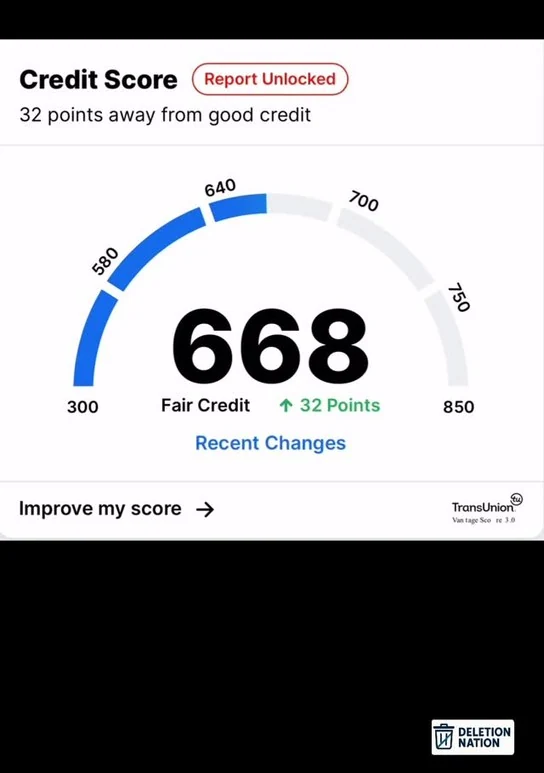
Houston credit repair result: TransUnion credit score of 668, up 32 points

Three clients, 13 deletions, one round

Three TransUnion clients cleared back to back in August 2025. One client had 8 inquiries deleted in a single sweep; another had Apple Card, Comenity, CareCredit, and USAA accounts removed; a third had a Synchrony account deleted. One client rose 32 points overnight, to 668.
See it on Instagram →

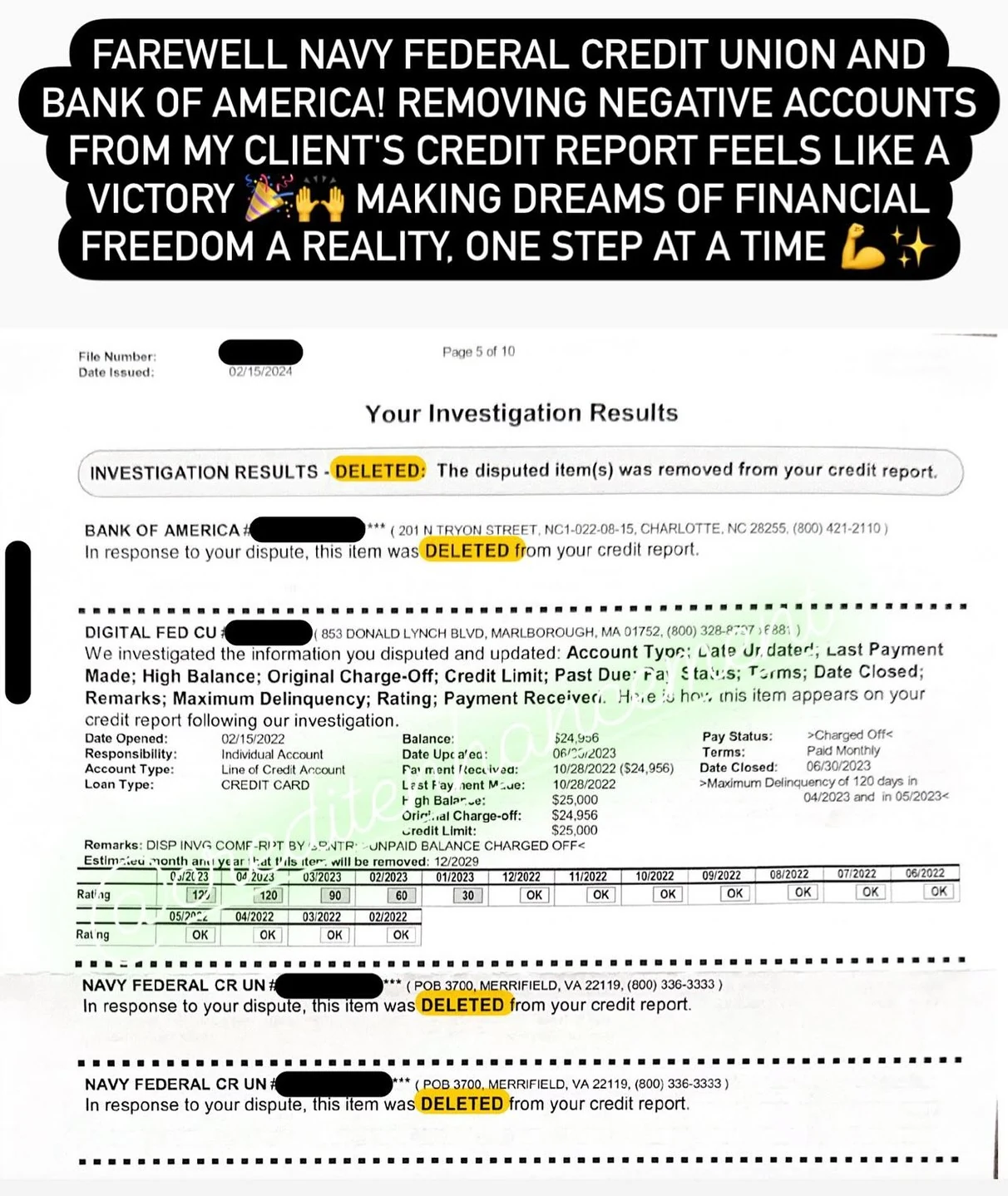
Houston credit repair result: Credit bureau investigation letter showing Bank of America and Navy Federal accounts deleted

Bank of America and Navy Federal, deleted

A February 2024 bureau investigation letter showing a Bank of America account and two Navy Federal accounts deleted from a client's credit report after dispute.
See it on Instagram →

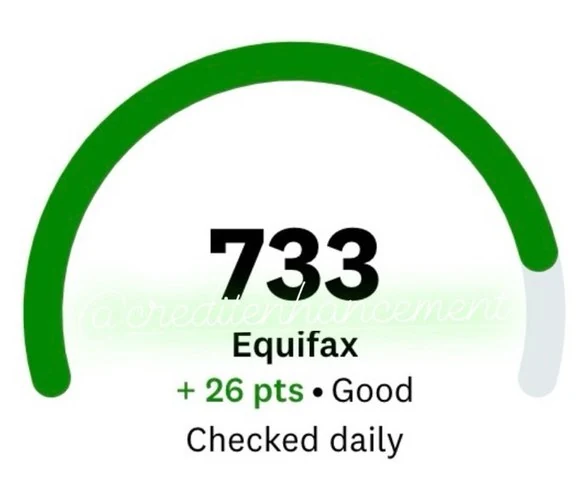
Houston credit repair result: Equifax credit score of 733, up 26 points

Equifax up 26 points

A client reached 733 on Equifax after a 26-point increase, March 2024.

See it on Instagram →

Results vary from person to person and depend on what is in each credit file. Nothing here promises a particular score increase or deletion.

See What's Holding Your Score Back for a Dollar

You can't fix what you can't see. Read your scores and entries from all three bureaus side by side and find out what is actually on your reports.

For a dollar, you can read your scores and entries from Equifax, Experian, and TransUnion before you decide what to do about them.

See What's on My Reports

A dollar with MyScoreIQ opens 7 days of access to your scores, then $34.99 a month if you keep it. Cancel anytime.

Houston Credit Repair Is Proud to Serve Texas

What We Walk Through With You

Texas Debt Limitations can look different from one report to the next. We help you understand the details and spot accuracy problems.

Most consumer debt: 4 years to sue

Credit card debt, personal loans, and most other consumer debt generally carry a four-year limit for a lawsuit in Texas, under Section 16.004.

The clock starts when the debt became due

The four years generally run from the date of the last payment or the date the account went into default, depending on the debt.

Since 2019, a payment does not restart the clock

Under Texas Finance Code Section 392.307, a payment on a debt-buyer account does not restart the limitations period. A collector cannot revive a time-barred debt by getting you to pay a small amount.

A time-barred debt can still be collected

The statute of limitations stops lawsuits. It does not erase the debt, and collectors can still ask you to pay it. They must tell you the debt is time-barred if they do.

The reporting clock is separate

The seven-year credit reporting clock runs from the date of first delinquency on the original account. It is a different deadline from the four-year lawsuit clock.

Why Talk Through Texas Debt Limitations With Us?

Start With the Facts

A Texas Debt Limitations entry feels personal, but on a report it is just data — dates, amounts, and a status. We help you read it as data first.

One Entry, Three Reports

The same account can look different on each bureau. We help you check all three before you act on any one of them.

A Plan You Can Follow

We explain dispute options, what records to keep, and practical habits that help you stay current going forward.

How We Help With Texas Debt Limitations

Know the date of first delinquency

The reporting clock runs from the original missed payment. The lawsuit clock runs from when the debt became due. Both dates matter.

Do not assume a payment is safe

Since 2019, a payment does not restart the Texas lawsuit clock on debt-buyer accounts, but it can still affect other things. Get advice before paying an old debt.

Answer a lawsuit, even an old one

If you are sued, respond. A time-barred debt is a defense you must raise. Ignoring the suit can lead to a judgment.

Keep your records

Old statements, payment records, and collector letters are the proof of when a debt became due.

Questions About Texas Debt Limitations

What is the statute of limitations on debt in Texas?

Generally four years to sue on most consumer debt, under Texas Civil Practice and Remedies Code Section 16.004. After four years, the debt is time-barred and a lawsuit can be dismissed.

Does paying an old debt restart the clock in Texas?

Since 2019, a payment does not restart the limitations period on debt-buyer accounts in Texas, under Finance Code Section 392.307. The rule is specific to debt buyers, and the details matter, so get advice before paying an old debt.

What is the difference between the lawsuit clock and the reporting clock?

The lawsuit clock is four years in Texas and decides whether you can be sued. The reporting clock is seven years from the date of first delinquency and decides how long the item can stay on your credit reports. They are different deadlines.

Can a collector still contact me about a time-barred debt?

Yes. The statute of limitations stops lawsuits, not collection attempts. Collectors must tell you the debt is time-barred if they try to collect it.

Is this legal advice?

No. This is general information about Texas law. If you are being sued or threatened with a lawsuit, talk to a consumer attorney about your specific situation.

Want to Know What Is Holding Your Score Back?

Let's look at your reports together and find the moves that will actually help — and the ones that won't. Call (346) 301-6424.

Call (346) 301-6424

Our Services in Houston, Texas