The BBB
The Better Business Bureau rates businesses, mediates complaints, and publishes reviews. Accreditation is paid, not an endorsement, and the BBB is not a government agency.
The Better Business Bureau, or BBB, is a private nonprofit organization, not a government agency. It rates businesses on a scale from A+ to F, takes complaints from consumers, and publishes customer reviews. When you are checking a company before you hire it, the BBB is one of the first places people look.
The BBB's rating is based on factors like complaint history, how long the business has operated, whether it honors its commitments, its licensing and government actions, and how transparent its business practices are. A business does not need to be accredited to have a rating, and a rating is not a guarantee of anything. It is a summary of the BBB's record on that business.
The BBB is most useful as a research tool. Before you hire a credit repair company, a lender, or any business that will handle your money, check its BBB profile. A pattern of unanswered complaints, or a rating that dropped after a wave of complaints, tells you more than any advertisement does.
The BBB is not a regulator. It cannot fine a company, order a refund, or take legal action. If a business broke the law, the agencies that can act are the Texas Attorney General, the Consumer Financial Protection Bureau, and the Federal Trade Commission. The BBB is the place you go to warn other consumers and to ask the business to make it right.
If this guide helped, these pages go deeper on the topics that usually come up next.
These are actual results from past clients, previously shared on Instagram. Every credit file is different, so treat these as examples of what the process can look like, not as a promise of what yours will do.
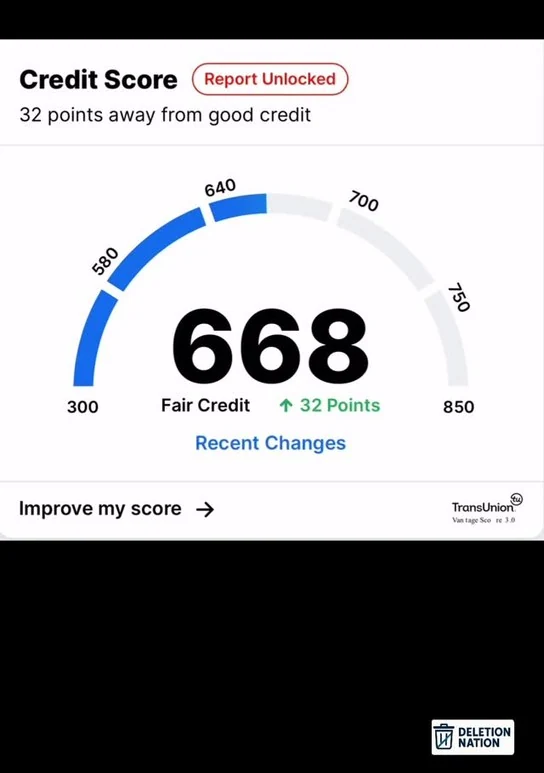
Three TransUnion clients cleared back to back in August 2025. One client had 8 inquiries deleted in a single sweep; another had Apple Card, Comenity, CareCredit, and USAA accounts removed; a third had a Synchrony account deleted. One client rose 32 points overnight, to 668.
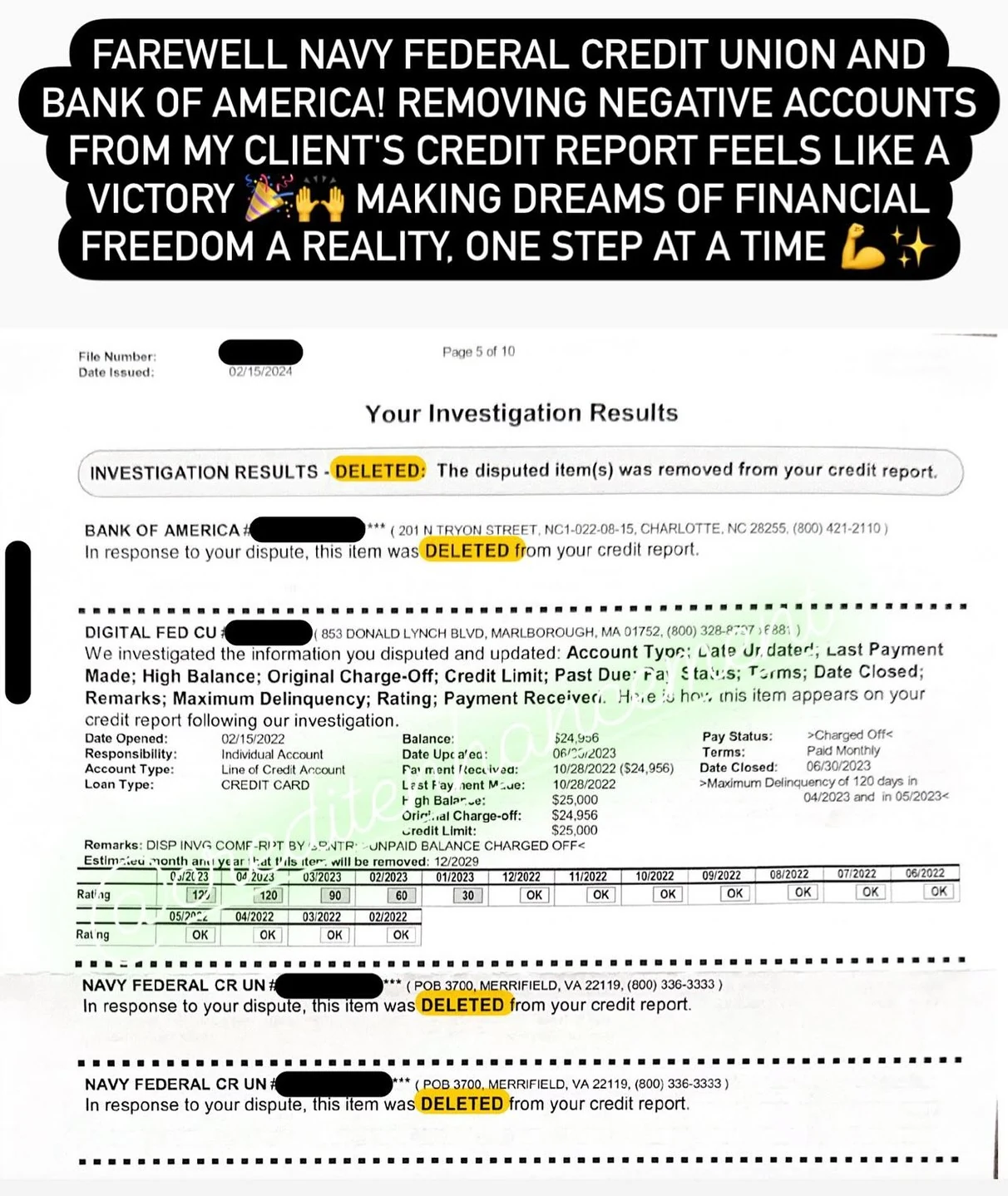
A February 2024 bureau investigation letter showing a Bank of America account and two Navy Federal accounts deleted from a client's credit report after dispute.
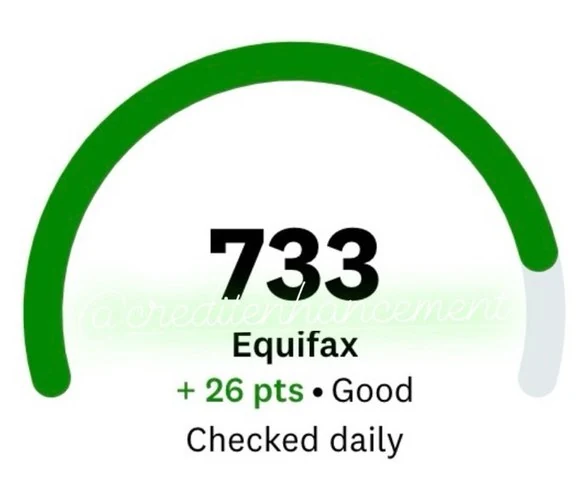
A client reached 733 on Equifax after a 26-point increase, March 2024.
Results vary from person to person and depend on what is in each credit file. Nothing here promises a particular score increase or deletion.
You can't fix what you can't see. Read your scores and entries from all three bureaus side by side and find out what is actually on your reports.
For a dollar, you can read your scores and entries from Equifax, Experian, and TransUnion before you decide what to do about them.
A dollar with MyScoreIQ opens 7 days of access to your scores, then $34.99 a month if you keep it. Cancel anytime.
the BBB can look different from one report to the next. We help you understand the details and spot accuracy problems.
A letter grade from A+ to F based on the BBB's record: complaints, how the business responded, time in business, licensing, government actions, and transparency.
Accreditation is paid. A business pays a fee to the BBB to be accredited, and accreditation requires meeting the BBB's standards. It is not an endorsement, and a business can have a good rating without being accredited.
Filing a complaint asks the BBB to contact the business and mediate. The BBB cannot force a business to do anything. It can publish the complaint and the business's response.
Search the business at bbb.org. Read the rating, the complaint history, and the customer reviews before you sign anything or pay anything.
Go to bbb.org, find the business, and choose File a Complaint. Describe what happened, what you want, and attach any documents that support your claim.
A the BBB entry feels personal, but on a report it is just data — dates, amounts, and a status. We help you read it as data first.
The same account can look different on each bureau. We help you check all three before you act on any one of them.
We explain dispute options, what records to keep, and practical habits that help you stay current going forward.
A BBB rating is one data point, not a verdict. Read the complaints behind the grade, not just the letter.
A business that answers complaints and fixes problems looks different from one that ignores them, even at the same rating.
A business pays to be accredited. Accreditation means it met the BBB's standards, not that the BBB recommends it.
A complaint creates a public record and asks the business to respond. It costs you nothing to file.
The Better Business Bureau is a private nonprofit organization that rates businesses from A+ to F, takes consumer complaints, and publishes customer reviews. It is not a government agency.
Accreditation is paid: a business pays a fee to the BBB and must meet its standards to be accredited. It is not an endorsement, and a business can have a good rating without being accredited.
No. The BBB mediates complaints and publishes the business's response, but it cannot force a business to do anything. Regulators like the Texas Attorney General and the CFPB are the ones that can take legal action.
Go to bbb.org, find the business, and choose File a Complaint. Describe what happened, what you want, and attach documents that support your claim.
No. Many legitimate businesses are not rated by the BBB, and a rating is only one data point. Read the complaint history behind the grade.
Let's look at your reports together and find the moves that will actually help — and the ones that won't. Call (346) 301-6424.