The FTC
The Federal Trade Commission enforces the law on credit repair companies, runs the identity theft reporting system, and protects consumers from unfair practices.
The Federal Trade Commission, or FTC, is the federal agency that protects consumers from unfair and deceptive business practices. In the credit world, it does three things that matter to you: it enforces the Credit Repair Organizations Act, it runs the identity theft reporting system, and it takes complaints about companies that break consumer protection law.
The FTC does not resolve individual disputes the way a court does. It investigates patterns, brings cases against companies that break the law, and publishes guidance that tells you what your rights are. When you report a problem to the FTC, you are adding to the record that lets it act.
The most useful FTC tool for most people is IdentityTheft.gov. If you find accounts on your reports that are not yours, or if you get a notice that your information was used to open an account, the site creates a personal recovery plan based on what happened, and it generates the letters and forms you need to dispute the fraudulent accounts and to place fraud alerts.
The FTC is also the agency to know about before you hire a credit repair company. Its guidance on credit repair is blunt: no company can remove accurate information, no company can charge before it does work, and any company that promises either is breaking the law. If a company you are considering fails those tests, the FTC is where you report it.
If this guide helped, these pages go deeper on the topics that usually come up next.
These are actual results from past clients, previously shared on Instagram. Every credit file is different, so treat these as examples of what the process can look like, not as a promise of what yours will do.
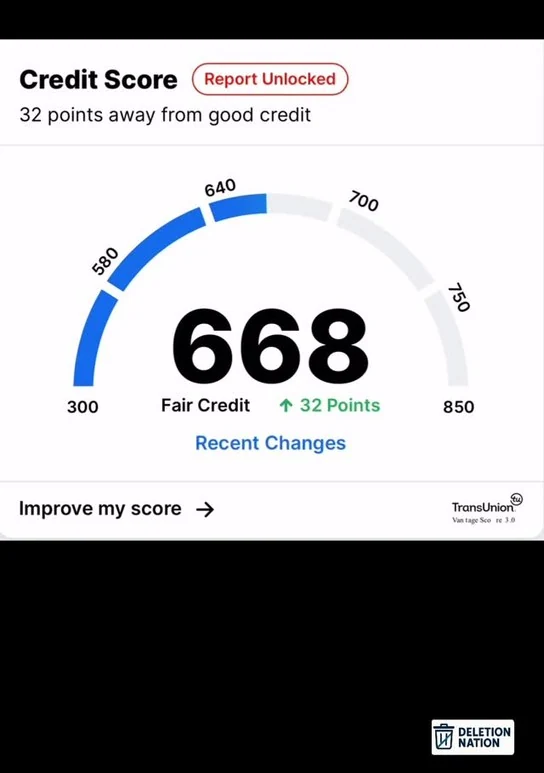
Three TransUnion clients cleared back to back in August 2025. One client had 8 inquiries deleted in a single sweep; another had Apple Card, Comenity, CareCredit, and USAA accounts removed; a third had a Synchrony account deleted. One client rose 32 points overnight, to 668.
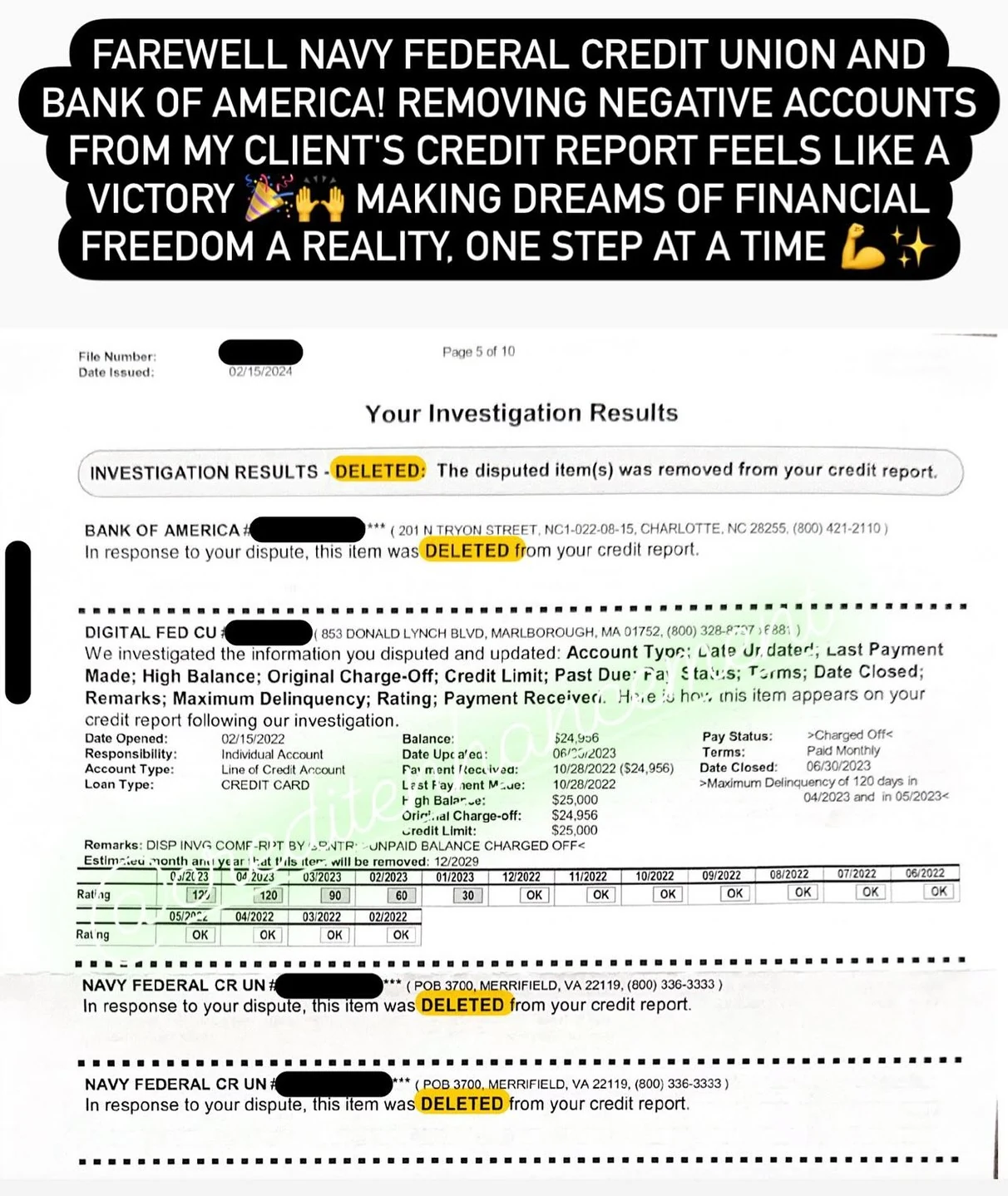
A February 2024 bureau investigation letter showing a Bank of America account and two Navy Federal accounts deleted from a client's credit report after dispute.
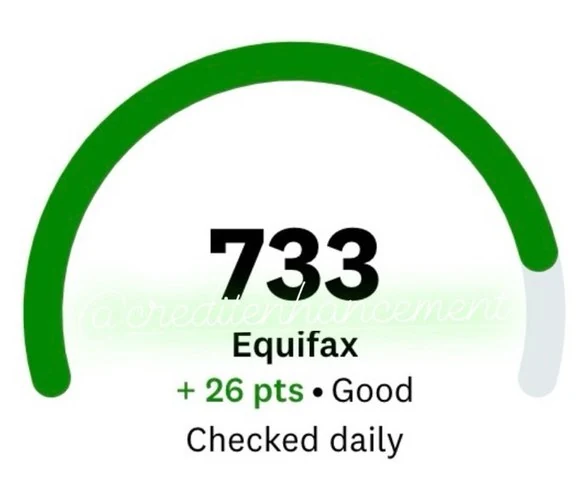
A client reached 733 on Equifax after a 26-point increase, March 2024.
Results vary from person to person and depend on what is in each credit file. Nothing here promises a particular score increase or deletion.
You can't fix what you can't see. Read your scores and entries from all three bureaus side by side and find out what is actually on your reports.
For a dollar, you can read your scores and entries from Equifax, Experian, and TransUnion before you decide what to do about them.
A dollar with MyScoreIQ opens 7 days of access to your scores, then $34.99 a month if you keep it. Cancel anytime.
the FTC can look different from one report to the next. We help you understand the details and spot accuracy problems.
The FTC enforces the Credit Repair Organizations Act, the law that says a credit repair company cannot charge you before it performs work, must give you a written contract, and must give you three business days to cancel.
If someone steals your identity, IdentityTheft.gov is where you report it. The site walks you through a recovery plan and creates the paperwork you need for police reports and disputes.
You can report a company to the FTC at ReportFraud.ftc.gov. The FTC uses complaint data to find patterns and to bring cases.
The FTC publishes plain-English guides on credit reports, debt collection, identity theft, and credit repair. It is one of the most reliable sources for what your rights actually are.
A the FTC entry feels personal, but on a report it is just data — dates, amounts, and a status. We help you read it as data first.
The same account can look different on each bureau. We help you check all three before you act on any one of them.
We explain dispute options, what records to keep, and practical habits that help you stay current going forward.
No payment before work, a written contract, and a three-day cancellation right. A company that fails any of those is breaking the law the FTC enforces.
Report the theft there first. It creates your recovery plan and the paperwork you need for disputes and police reports.
ReportFraud.ftc.gov is where you report a company that broke the law. Your report adds to the pattern the FTC uses to bring cases.
The FTC publishes plain-English guides on your credit rights. It is a reliable check against what any company tells you.
The Federal Trade Commission is the federal agency that protects consumers from unfair and deceptive business practices. In the credit world, it enforces the Credit Repair Organizations Act, runs IdentityTheft.gov, and takes complaints about companies that break consumer protection law.
It enforces CROA, the law that says a credit repair company cannot charge you before it performs work, must give you a written contract, and must give you three business days to cancel.
IdentityTheft.gov is the FTC's site for reporting identity theft. It walks you through a recovery plan and creates the paperwork you need for police reports and disputes.
The FTC does not resolve individual disputes. It investigates patterns and brings cases against companies that break the law. For an individual dispute, use the dispute process, and for an unresolved dispute, file a complaint with the CFPB.
Go to ReportFraud.ftc.gov and describe what happened. Your report adds to the complaint data the FTC uses to find patterns and bring cases.
Let's look at your reports together and find the moves that will actually help — and the ones that won't. Call (346) 301-6424.