Debt Collector Calls

How to Stop Debt Collector Calls in Houston, Texas

A cease-communication letter can stop the calls, but it does not erase the debt and it does not stop a lawsuit. Here is what it does and how to send one.

Debt collector calls can feel endless, and they are designed to wear you down. The law gives you a way to stop them: a written request that the collector stop communicating with you. It is called a cease-communication letter, and once the collector receives it, it must stop calling, with only a few narrow exceptions.

What You Need to Know

What the letter does not do is just as important. It does not erase the debt. It does not stop the collector from suing you. And it does not stop the debt from being reported. It stops the calls. That is all, and it is worth knowing before you send it.

Why It Matters

Before you send a cease-communication letter, think about whether you want the calls to stop or whether you want to resolve the debt. Stopping communication also stops the collector from offering you a settlement or a payment plan. If you are hoping to negotiate, a validation letter or a limited-communication request may be a better first step.

A limited-communication letter is a middle option. It tells the collector to contact you only in writing, or only at certain times, instead of stopping all contact. That keeps the door open for a settlement while ending the phone calls.

Related Guides and Services

If this guide helped, these pages go deeper on the topics that usually come up next.

A First Look at Real Results

These are actual results from past clients, previously shared on Instagram. Every credit file is different, so treat these as examples of what the process can look like, not as a promise of what yours will do.
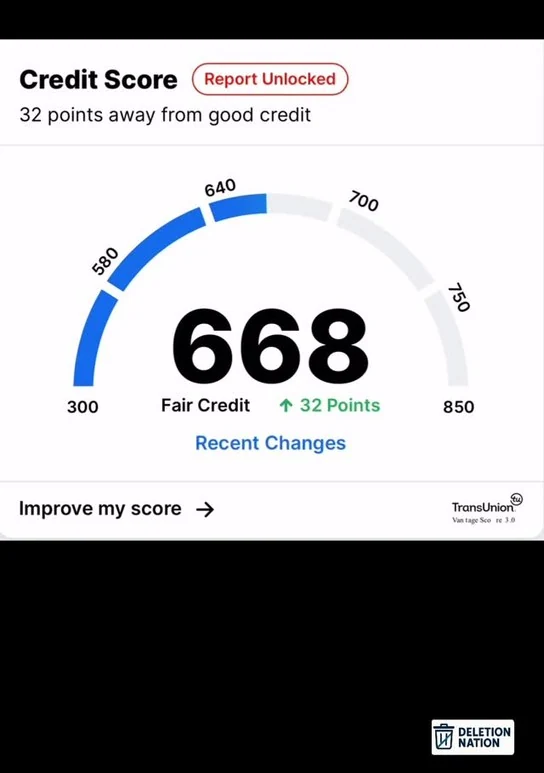
Houston credit repair result: TransUnion credit score of 668, up 32 points

Three clients, 13 deletions, one round

Three TransUnion clients cleared back to back in August 2025. One client had 8 inquiries deleted in a single sweep; another had Apple Card, Comenity, CareCredit, and USAA accounts removed; a third had a Synchrony account deleted. One client rose 32 points overnight, to 668.
See it on Instagram →

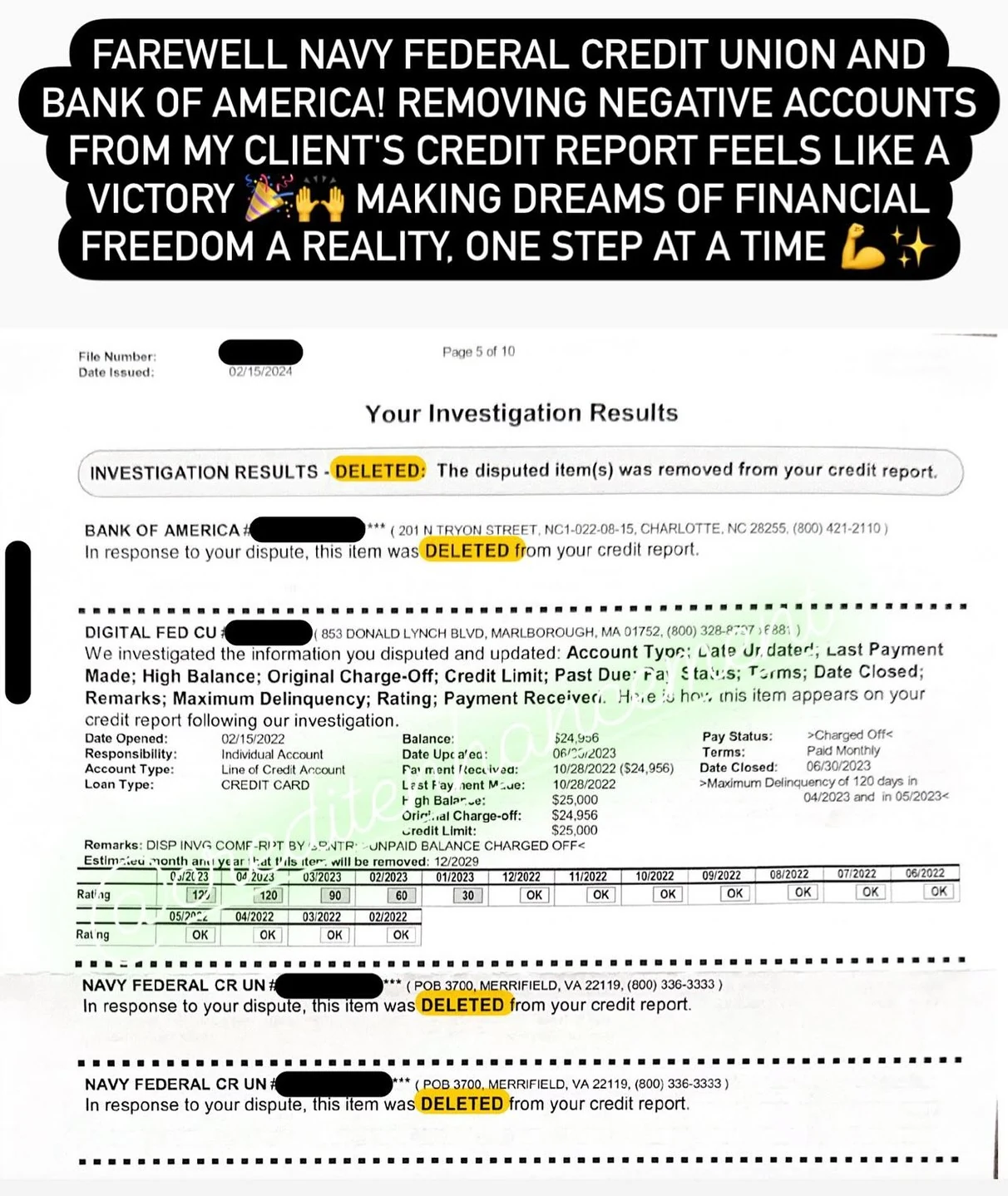
Houston credit repair result: Credit bureau investigation letter showing Bank of America and Navy Federal accounts deleted

Bank of America and Navy Federal, deleted

A February 2024 bureau investigation letter showing a Bank of America account and two Navy Federal accounts deleted from a client's credit report after dispute.
See it on Instagram →

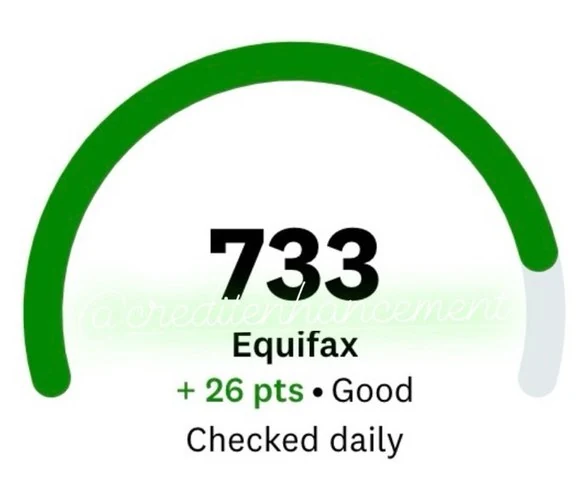
Houston credit repair result: Equifax credit score of 733, up 26 points

Equifax up 26 points

A client reached 733 on Equifax after a 26-point increase, March 2024.

See it on Instagram →

Results vary from person to person and depend on what is in each credit file. Nothing here promises a particular score increase or deletion.

See What's Holding Your Score Back for a Dollar

You can't fix what you can't see. Read your scores and entries from all three bureaus side by side and find out what is actually on your reports.

For a dollar, you can read your scores and entries from Equifax, Experian, and TransUnion before you decide what to do about them.

See What's on My Reports

A dollar with MyScoreIQ opens 7 days of access to your scores, then $34.99 a month if you keep it. Cancel anytime.

Houston Credit Repair Is Proud to Serve Texas

What We Walk Through With You

Debt Collector Calls can look different from one report to the next. We help you understand the details and spot accuracy problems.

Write a cease-communication letter

A short letter stating that you want the collector to stop all communication with you about the debt. Include the account number and your address.

Send it by certified mail

Certified mail with tracking gives you proof of when the collector received it. Keep a copy of the letter and the receipt.

Know what the collector can still do

After receiving your letter, the collector can only contact you to say it is stopping collection, or to say it intends to take a specific action, such as filing a lawsuit.

Send a validation letter first if you have time

If you are inside the 30-day window from the collector's first contact, send a debt validation letter first. It forces the collector to prove the debt before it can keep collecting.

Keep a record of every call after the letter

If the collector keeps calling after receiving your letter, write down the date, time, and what was said. That record is evidence of a violation.

Why Talk Through Debt Collector Calls With Us?

Start With the Facts

A Debt Collector Calls entry feels personal, but on a report it is just data — dates, amounts, and a status. We help you read it as data first.

One Entry, Three Reports

The same account can look different on each bureau. We help you check all three before you act on any one of them.

A Plan You Can Follow

We explain dispute options, what records to keep, and practical habits that help you stay current going forward.

How We Help With Debt Collector Calls

Send the letter in writing

A phone request to stop calling is easy to deny. A written letter sent certified mail is proof.

Keep a call log

Write down every call after the letter: the date, the time, the number, and what was said.

Know the exceptions

The collector can still contact you once to say it is stopping, or to say it plans to sue. Those are the only exceptions.

Consider validation first

If the debt may not be yours, or the amount may be wrong, a validation letter is the stronger first move.

Questions About Debt Collector Calls

How do I stop debt collector calls?

Send a written cease-communication letter by certified mail. Once the collector receives it, it must stop calling, with only narrow exceptions.

Does a cease and desist letter erase the debt?

No. It stops the calls. The debt still exists, it can still be reported, and the collector can still sue you.

Can a collector still sue me after I send a cease letter?

Yes. A cease-communication letter does not stop a lawsuit. The collector can still file suit, and it can contact you once to say it intends to.

What is the difference between a cease letter and a validation letter?

A cease letter tells the collector to stop contacting you. A validation letter asks the collector to prove the debt is yours and that it has the right to collect it.

What if the collector keeps calling after my letter?

Keep a record of every call with the date and time. Continued calls after a cease-communication letter can be a violation of the Fair Debt Collection Practices Act.

Want to Know What Is Holding Your Score Back?

Let's look at your reports together and find the moves that will actually help — and the ones that won't. Call (346) 301-6424.

Call (346) 301-6424

Our Services in Houston, Texas